In this guide
- Where Is the Sacred Mountain Viewed From?
- Spiritual Significance and the Natural Snow Pattern
- Best Time to Plan an OM Parvat Yatra
- How to Reach the Viewing Region
- Permits and Documents to Arrange Before Departure
- How to Structure a Comfortable Pilgrimage
- Begin With a Manageable Approach
- Review the Ascent and Overnight Stops
- Keep the Viewing Excursion Flexible
- Allow a Sensible Return Margin
- Combining the Journey With Adi Kailash
- Altitude, Fitness and Sensible Preparation
- What to Pack for the Mountain Journey
- Accommodation, Meals and Connectivity
- How to Compare an OM Parvat Tour Package
- Responsible Travel and Photography
- Frequently Asked Questions
- Is the sacred symbol always clearly visible?
- Does the pilgrimage involve climbing the mountain?
- Can older travellers join the journey?
- Can the tour begin from Haridwar?
- What should I confirm immediately before leaving?
- Smiley Holidayz
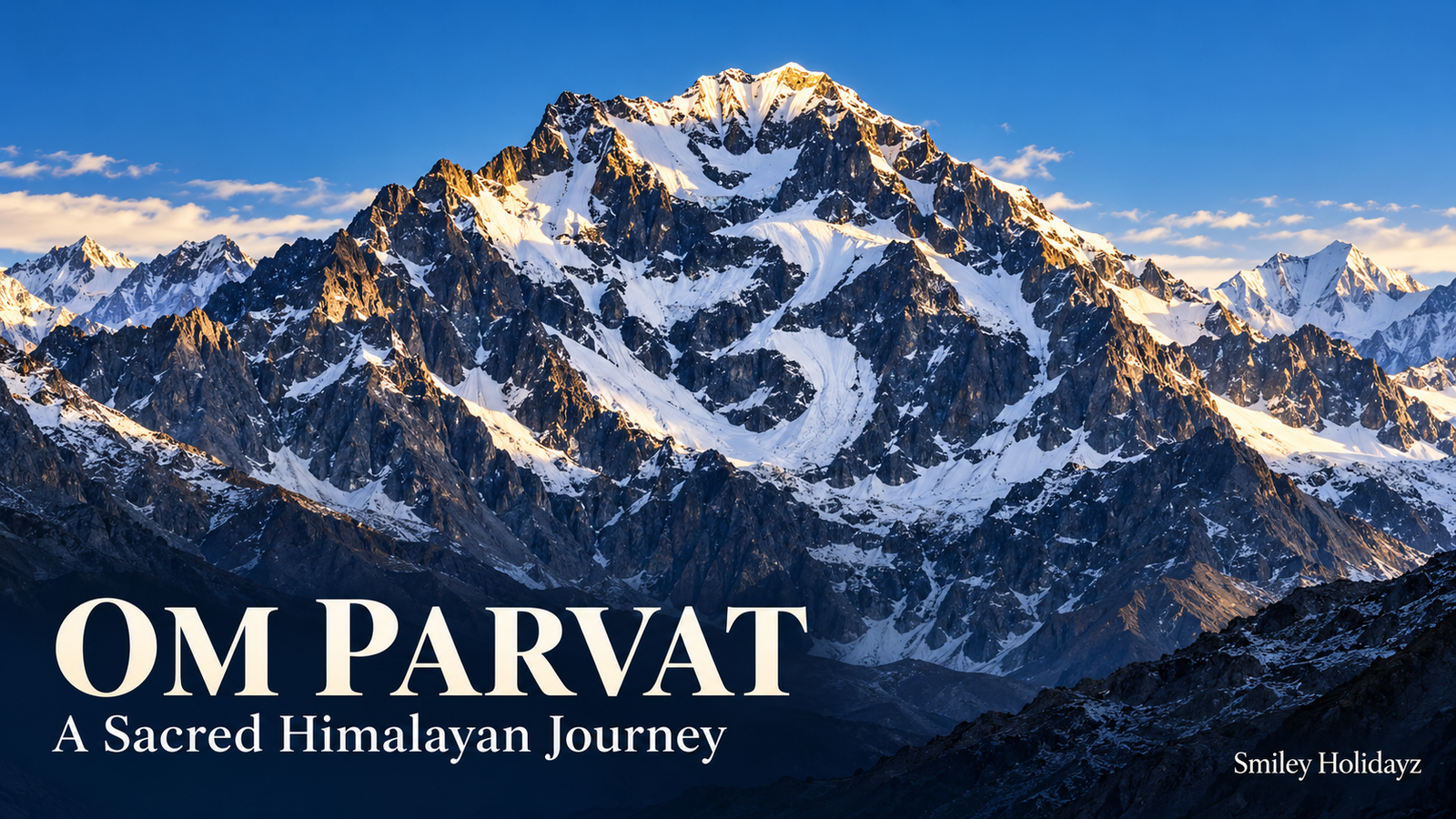
OM Parvat is a sacred Himalayan destination admired for the natural snow pattern that resembles the Hindu symbol “ॐ” on its mountain face. Viewed from the Nabidhang area in Uttarakhand’s Pithoragarh district, this remarkable sight draws pilgrims, photographers and travellers seeking a deeper connection with the mountains. The journey brings together spiritual reflection, remote valley scenery and the experience of travelling through the high Himalayas. However, a rewarding visit depends on more than reaching a viewpoint. Thoughtful planning, suitable travel dates, permission checks and respect for altitude are essential parts of the experience.
For anyone considering this pilgrimage, understanding the route is the best starting point. This guide explains the destination’s significance, how to approach the journey, what to ask before booking, and how to prepare for mountain conditions without relying on unrealistic promises about weather or guaranteed darshan.
Where Is the Sacred Mountain Viewed From?
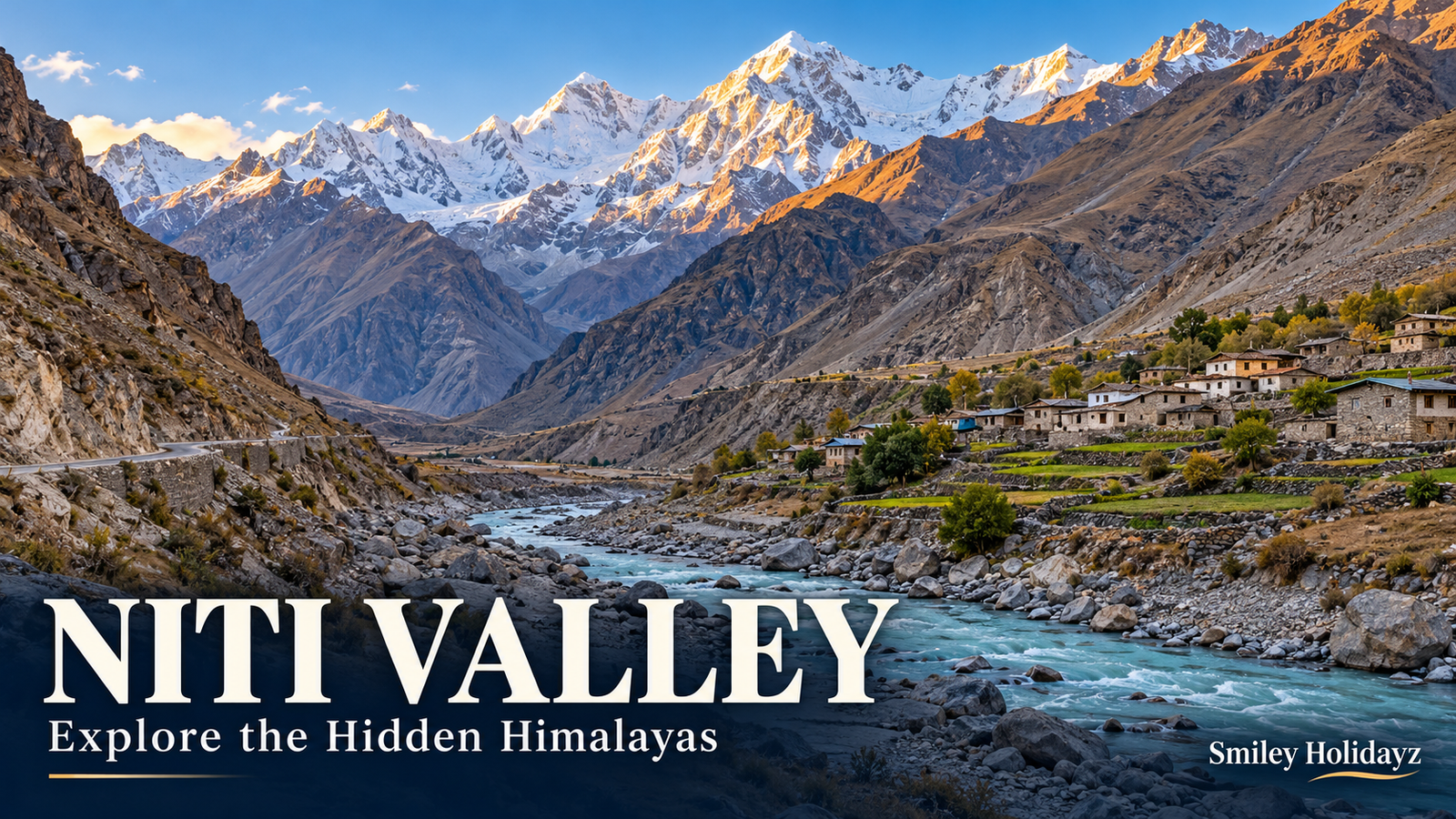
The established pilgrimage viewpoint lies around Nabidhang, also written as Nabhidhang, in the upper Himalayan region approached through Dharchula and Gunji. The Pithoragarh district administration identifies this viewing location and describes the mountain’s religious importance. This is a remote border-region journey, so travellers should understand the permitted route before making independent transport arrangements.
The height of a mountain summit and the altitude of its viewing point are different measurements. KMVN’s introductory trekking guide places Nabidhang at approximately 4,266 metres. For visitors, the altitude reached during sightseeing and overnight stays matters more than the summit figure. Ask for the elevation of each planned sleeping location when comparing itineraries.
Spiritual Significance and the Natural Snow Pattern
The sacred syllable Om holds deep meaning in Hindu spiritual traditions. Seeing a form resembling this symbol against a Himalayan mountain face can make the pilgrimage particularly moving for devotees. Local religious traditions associate the mountain with Lord Shiva, while the district tourism account also notes its significance for Buddhists. These associations explain why visitors often approach the viewpoint with quiet reverence.
The appearance is natural rather than a painted inscription. Snow lying against darker rock creates the contrast through which visitors recognise the symbol. Its clarity can change with snow cover, cloud, light and viewing conditions. A photograph taken during one visit should therefore be treated as a record of that moment, rather than a promise of what every traveller will see.
Allow time for the experience itself. Put the camera down occasionally, avoid loud music and respect other pilgrims who may be praying. The journey can remain meaningful even when clouds interrupt the view.
Best Time to Plan an OM Parvat Yatra
When choosing dates, treat advertised departure periods as a starting point and confirm actual road access before paying. Ask the operator which months they are running the route, why they recommend your selected dates, and what recent travellers have experienced. A suitable departure depends on the combination of access, weather, available accommodation and the pace your group can manage.
For planning discussions, compare pre-monsoon and post-monsoon departures with your operator. Ask specifically about snow clearance, rain-related disruption, colder nights and daylight available for driving. Avoid assuming that a particular month guarantees a visible symbol. Even during an operating season, clouds may hide the mountain or conditions may require a revised programme.
Build flexibility into your return journey. An extra day is especially useful when a delayed mountain transfer would otherwise cause you to miss a train or flight. Confirm how additional accommodation and transport would be charged if a disruption occurs.
How to Reach the Viewing Region
Dharchula is an important staging point for this pilgrimage. Your approach may begin from a railhead or another agreed pickup location, followed by road travel through Kumaon. Choose the starting point according to your actual connections and the operator’s confirmed route. A shorter distance on a map does not automatically mean a simpler transfer.
Beyond Dharchula, the established sightseeing approach continues towards Gunji and then the Kalapani–Nabidhang side. Road access has changed how the journey is undertaken, and organised itineraries now include vehicle travel into the upper valley. Nevertheless, access remains subject to local directions, road condition and the suitability of vehicles.
Ask whether the same vehicle continues throughout the tour or whether a local vehicle change is required. Confirm luggage limits, passenger seating, the amount of walking expected and arrangements during a road interruption. These details have a greater effect on comfort than an attractive package photograph.
Permits and Documents to Arrange Before Departure
Plan this as a journey requiring advance document checks. KMVN’s published booking page includes an Inner Line Permit form, fitness certificate, registration paperwork and an indemnity bond. Its documentation guidance also addresses police verification. Use these as evidence that paperwork matters, while obtaining the current checklist for your particular booking.
Requirements can differ according to the traveller’s circumstances and the applicable access rules. Ask the organiser to confirm eligibility, accepted identification, submission deadlines, medical documentation and responsibility for obtaining permission. Do not assume that permission arranged for another group automatically applies to yours.
- Carry the original identification accepted for your application and the requested copies.
- Keep printed permission documents available for inspection where required.
- Save offline copies of booking confirmations and important contact details.
- Check that names and personal details match across all submitted documents.
- Confirm the consequences if permission is delayed or an application is not approved.
Complete these checks before committing to non-refundable onward travel. Keep sensitive documents secure and share them only through the organiser’s verified contact channels.
How to Structure a Comfortable Pilgrimage
A useful itinerary separates the approach journey, administrative preparation, altitude adjustment, sightseeing and return travel. The exact number of days should follow your starting point and health needs. Avoid judging a package only by how many destinations it includes.
Begin With a Manageable Approach
Discuss realistic daily driving hours before booking. After a long train journey or overnight transfer, an immediate extended mountain drive may leave the group exhausted. Allow for meals, rest stops and arrival before the planned accommodation’s check-in arrangements become difficult.
Review the Ascent and Overnight Stops
Ask the organiser to explain how the programme allows adjustment to altitude. Spending time in a lower town does not necessarily prepare everyone for a rapid ascent to a much higher sleeping location. Have the proposed itinerary reviewed by a clinician if you are uncertain about its suitability.
Keep the Viewing Excursion Flexible
Once access is confirmed and travellers are well enough to continue, the sightseeing programme can proceed according to local instructions. Leave departure timing to the team monitoring conditions. Do not pressure a driver to continue late or ignore an official restriction simply to preserve a planned photograph.
Allow a Sensible Return Margin
Plan the descent and onward connection with breathing room. Keep your essential medicines, identification and one warm layer accessible until the mountain journey is complete. The return deserves the same attention as the outward trip.
Combining the Journey With Adi Kailash
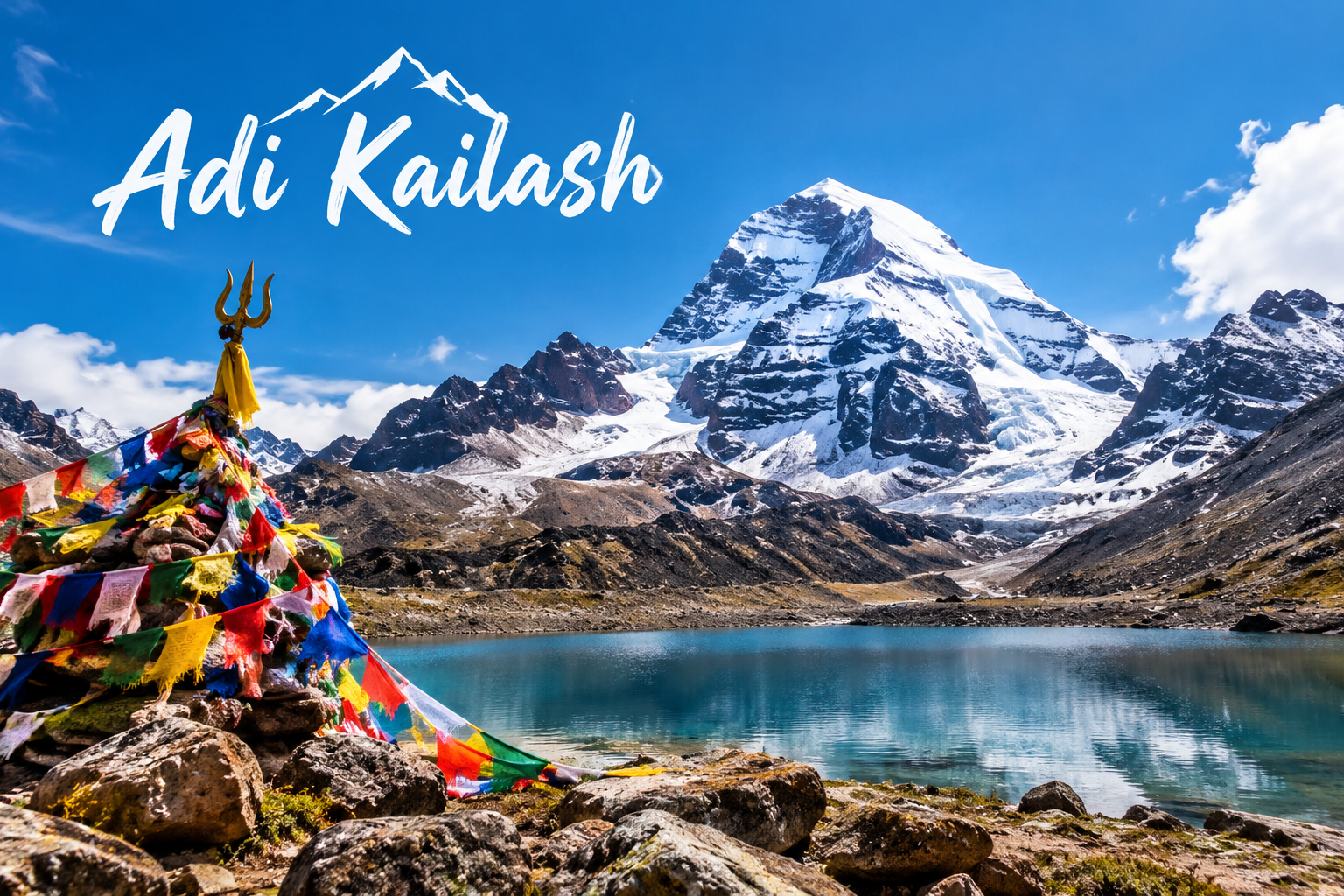
OM Parvat and Adi Kailash are separate pilgrimage destinations, although they are often included in one regional tour. The former is associated with the sacred snow pattern viewed from Nabidhang. Adi Kailash is approached on the Jolingkong side and has its own devotional significance. A combined itinerary therefore requires separate sightseeing arrangements.
Adding both visits can make sense when time, permission and traveller fitness allow. However, an additional destination should not remove essential rest or force the group into an unsuitable schedule. Ask what happens if only one sightseeing sector remains accessible. Mount Kailash in Tibet is another distinct destination, requiring its own travel arrangements; it should not be confused with this domestic pilgrimage.
Altitude, Fitness and Sensible Preparation
Road access does not remove the effects of high altitude. The CDC’s high-altitude travel guidance recommends gradual ascent and discussing prevention with a healthcare professional when the itinerary does not allow sufficient adjustment. Being physically fit does not guarantee that you will avoid altitude illness.
Headache, nausea, dizziness or unusual tiredness after ascent should be reported promptly. Do not ascend further while experiencing altitude-illness symptoms. Worsening symptoms require descent and medical assessment; confusion, loss of coordination or breathlessness at rest need urgent attention. Follow professional advice rather than trying to push through the sightseeing programme.
Before departure, discuss existing medical conditions, regular medicines and the planned sleeping altitudes with your clinician. Ask the organiser about emergency communication and evacuation arrangements. Carry prescribed medication in your day bag, avoid alcohol during initial altitude adjustment and keep activity gentle on arrival. Small recreational oxygen cans should not be treated as a substitute for proper care or descent.
What to Pack for the Mountain Journey
Pack for changing conditions and easy access to essentials. A compact, organised bag is easier to manage when vehicles change or accommodation has limited storage. Keep weather protection near the top rather than buried beneath clothing.
- Layered clothing: Carry thermals, a warm mid-layer and an insulated outer layer suited to your confirmed travel conditions.
- Weather protection: Include a waterproof jacket, warm cap, gloves and spare socks.
- Comfortable footwear: Choose shoes with dependable grip that you have already worn.
- Sun protection: Bring sunglasses, sunscreen and lip balm for exposed sightseeing stops.
- Daily essentials: Pack a refillable water bottle, suitable snacks, tissues and a small waste bag.
- Personal items: Keep medicines, documents, a torch and charging equipment within reach.
Check luggage capacity before bringing large suitcases. If travelling as a family, make sure each person can reach their own warm clothing without unpacking everyone’s belongings during a roadside stop.
Accommodation, Meals and Connectivity
Request accommodation details for every overnight halt. Ask about room sharing, bathroom arrangements, bedding, electricity and access to hot water. Photographs should relate to the proposed property or clearly identify when they are only examples. This helps set realistic expectations before departure.
Discuss dietary needs early, especially allergies or medically necessary restrictions. Confirm which meals are included and whether packed food is provided during longer excursions. Carry a modest supply of familiar snacks without assuming that every preferred brand will be available along the route.
Plan for periods when mobile service or charging may be unavailable. Download essential documents and share the itinerary with someone at home. Carry an appropriate cash reserve, while asking the organiser which expenses are already covered and where payments may be needed.
How to Compare an OM Parvat Tour Package
Compare written inclusions before comparing headline prices. The departure point, group size, room occupancy, vehicle arrangements and trip duration all affect the quote. A low initial figure is less useful if essential transfers or additional nights remain unclear.
Ask for an itemised explanation covering accommodation, meals, local transport, documentation assistance and any guiding services. Check whether taxes, personal expenses, emergency transport or changes caused by road disruption are excluded. Obtain the cancellation and refund terms before paying a deposit.
Also ask who makes operational decisions during the journey and how you will contact them. A clear response about vehicle changes, alternate accommodation and interrupted sightseeing is more valuable than a promise of guaranteed mountain views. Keep the agreed itinerary and payment receipt together.
Responsible Travel and Photography
Respect the region as a lived-in landscape as well as a pilgrimage destination. Ask before photographing residents, homes or religious ceremonies. Follow restrictions around checkpoints and sensitive infrastructure. Do not launch a drone without the permissions required for that location.
Carry waste back to an appropriate disposal point and avoid leaving offerings, packaging or food behind. Stay within permitted areas and follow the instructions of local authorities. When taking photographs, choose a safe stopping place and avoid blocking the road or another traveller’s view.
Frequently Asked Questions
Is the sacred symbol always clearly visible?
No. Snow cover, cloud and light affect its appearance. Choose dates with informed local advice, but accept that visibility cannot be guaranteed.
Does the pilgrimage involve climbing the mountain?
The usual sightseeing objective is to view the mountain from the permitted Nabidhang area. Ask your operator about walking distances and terrain for the exact programme you book.
Can older travellers join the journey?
Suitability depends on health, altitude tolerance and the proposed itinerary. Seek individual medical advice and confirm the operator’s current eligibility and fitness requirements before booking.
Can the tour begin from Haridwar?
Request a customised approach plan and a written transfer quote. Check the complete driving schedule, overnight stops and whether the upper-valley arrangements are included in the same booking.
What should I confirm immediately before leaving?
Reconfirm permission status, road access, pickup details, accommodation and emergency contacts. Keep your final travel plan flexible enough to accommodate changes directed by the local team or authorities.
Smiley Holidayz
Your Trusted Travel Partner in Uttarakhand
Planning your OM Parvat pilgrimage or a combined journey with Adi Kailash? Contact our local travel team to discuss your preferred dates, pickup location, accommodation needs and budget. Ask about route planning, transport options and the current permit process so you can prepare for a thoughtful Himalayan journey.

A Haridwar-based travel agency helping travellers plan Chardham Yatra, Uttarakhand tours, hotel bookings and helicopter packages.