In this guide
- Auli and Chopta at a Glance
- Winter (December to February): Best for Snow and Skiing
- What to do in winter
- Things to keep in mind
- Spring (March to April): Snow Meets Rhododendron Blooms
- Summer (May to June): Pleasant Weather for Families
- Monsoon (July to Mid-September): Green but Risky
- Autumn (Late September to November): Clearest Mountain Views
- Month-by-Month Weather Guide
- Best Time Based on Your Travel Style
- For Skiing
- For Trekking (Tungnath, Chandrashila, Deoria Tal)
- For Honeymoon Couples
- For Families and Senior Citizens
- For Budget Travellers
- What to Pack for Each Season
- Final Verdict
- Are You Looking for Auli Chopta Tour Packages?
- Auli Tour Package
- Auli Chopta Tour Package
- Smiley Holidayz
- Frequently Asked Questions
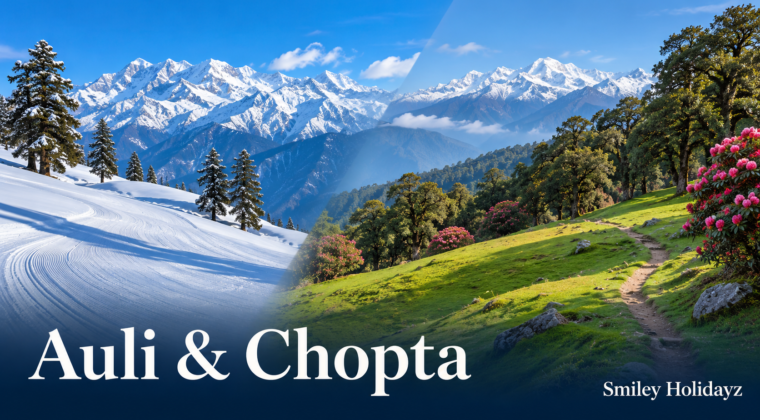
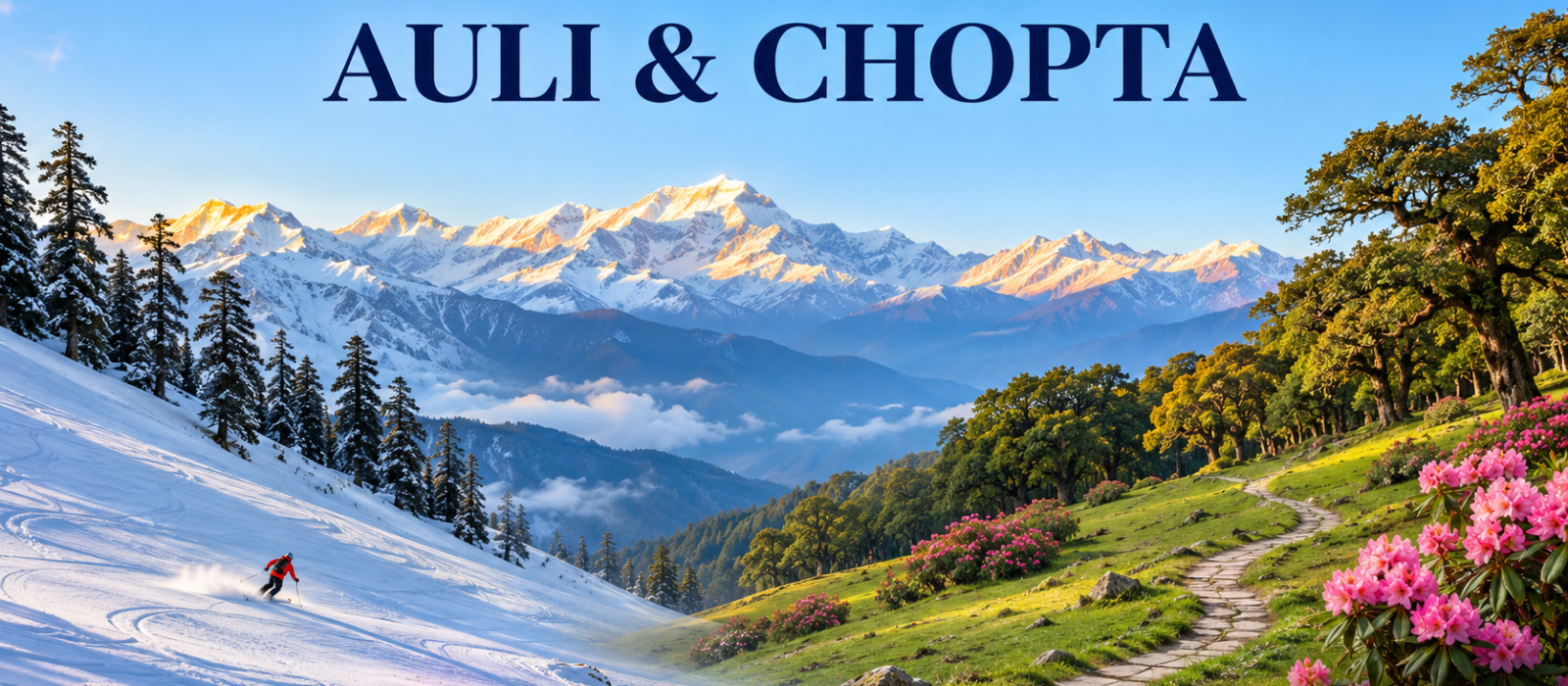
The best time to visit Auli and Chopta depends on what kind of Himalayan experience you want, because these two destinations in Uttarakhand change completely from one season to the next. In winter, Auli turns into India’s top ski resort and Chopta becomes a snowy wonderland on the way to Tungnath and Chandrashila. In spring, the forests burst into red rhododendron blooms. After the monsoon, the skies clear up and the snow peaks of Nanda Devi, Trishul and Chaukhamba look close enough to touch. Choosing the right month can be the difference between a perfect holiday and a trip spoiled by closed roads or cloudy views.
In this guide, we explain the season-by-season and month-by-month weather in Auli and Chopta, what you can do in each season, the pros and cons of every period, what to pack, and which months suit skiers, trekkers, families, honeymooners and photographers. Use it to pick your travel dates with confidence.
- For snow and skiing: late December to early March (January–February is peak)
- For pleasant weather and flowers: April to June
- For clear mountain views: October to November
- Avoid if possible: July to mid-September (heavy monsoon and landslide risk)
Auli and Chopta at a Glance
Auli sits at roughly 2,500 to 3,050 m above sea level in Chamoli district, about 16 km above Joshimath. Chopta lies at around 2,680 m in Rudraprayag district and is the base for the Tungnath temple trek. Because both are at similar heights, their weather follows the same pattern: cold, snowy winters, mild summers, a wet monsoon and crisp, clear autumns. This is why one answer to the best time to visit Auli and Chopta works for both places, and why many travellers cover them together on one trip.
Snowfall, skiing, snow treks
Rhododendrons, green meadows, pleasant days
Lush but risky roads
Clearest Himalayan views
Winter (December to February): Best for Snow and Skiing
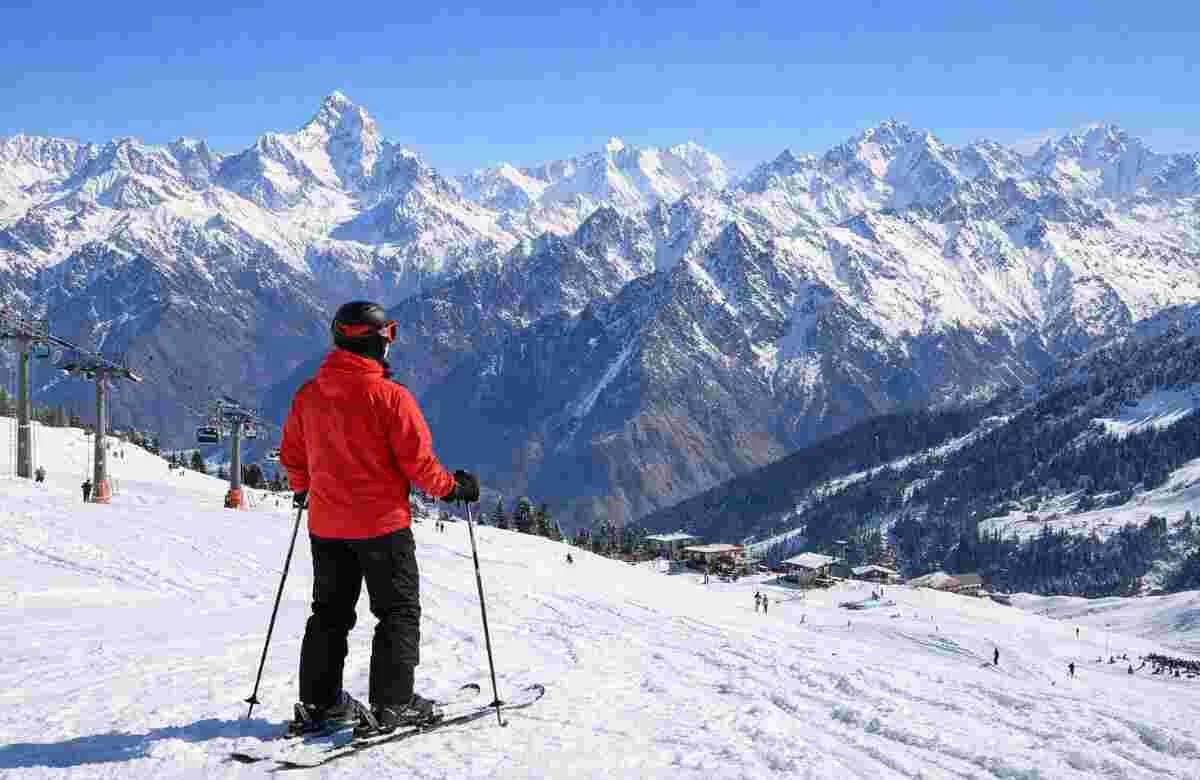
For most travellers, winter is the most exciting season and the first answer to the question of the best time to visit Auli and Chopta. Snowfall usually begins in December, and by January the slopes of Auli carry a deep, skiable snow base. Daytime temperatures in Auli stay roughly between 0°C and 8°C, while nights can drop well below freezing, sometimes to -8°C or lower. Chopta is similar, with frequent snowfall from late December to February.
What to do in winter
- Skiing and snowboarding in Auli: Certified instructors offer beginner sessions and 7 to 14 day courses, with equipment available on rent.
- Winter carnival and ski events: Auli often hosts national-level ski competitions and a winter carnival, usually in February.
- Snow trek to Tungnath and Chandrashila: The Chopta trail becomes a beautiful snow trek. The temple itself is closed in winter, but the trek and summit views remain open in good weather.
- Snow play and photography: Families love simply walking in fresh snow, and sunrise over snow-covered peaks is spectacular.
Things to keep in mind
Heavy snowfall can block the road to Chopta, especially between Duggalbitta and Chopta, and sometimes the last few kilometres to Auli. On such days you may need to walk a short stretch or wait for the road to be cleared. Short daylight hours mean you should start drives early. Hotels in Auli fill up fast around Christmas, New Year and the ski season, so book well in advance. Always keep one buffer day in your winter plan.
Best for: Skiers, snow lovers, adventure seekers, honeymooners who want a white winter holiday.
Spring (March to April): Snow Meets Rhododendron Blooms
March is a hidden gem. Auli usually still has snow on its upper slopes in early March, the skies are clearer than in mid-winter, and the cold becomes more bearable. Days range from about 5°C to 15°C. By late March and April, the forests around Chopta and on the road to Tungnath turn red and pink with blooming rhododendron (buransh), Uttarakhand’s state tree.
April is also when birdlife becomes active. The Kedarnath Wildlife Sanctuary near Chopta is home to the colourful Himalayan monal and many other Himalayan birds. For photographers and nature lovers, spring is easily one of the best time to visit Auli and Chopta windows, offering both leftover snow and fresh colour in the same trip.
Best for: Nature lovers, bird watchers, photographers, first-time trekkers, travellers who want mild cold without extreme snow.
Summer (May to June): Pleasant Weather for Families
Summer is the most comfortable season for families, senior citizens and anyone escaping the heat of the plains. Daytime temperatures in Auli and Chopta usually stay between 12°C and 22°C, while nights remain cool at 5°C to 10°C. The meadows of Gorson Bugyal near Auli and the bugyals around Chopta turn bright green, and you can trek comfortably without heavy winter gear.
This is also the season when the Tungnath temple is open. The doors of Tungnath usually open around late April or May, so pilgrims can combine the trek with darshan at the highest Shiva temple in the world. Since this period overlaps with the Char Dham Yatra, roads to Rudraprayag and Joshimath can be busy, so plan accommodation and taxis early.
- Gorson Bugyal trek and Auli artificial lake visit
- Tungnath darshan and Chandrashila sunrise trek
- Deoria Tal lake trek with Chaukhamba reflections
- Camping in the meadows of Chopta
Best for: Families with children, senior travellers, pilgrims, campers and first-time Himalayan visitors.
Monsoon (July to Mid-September): Green but Risky
The monsoon brings heavy rain to the Garhwal Himalayas. The forests and meadows look their greenest, waterfalls are full, and crowds are thin. However, landslides frequently block highways such as the Rishikesh–Rudraprayag and Badrinath routes, and the peaks are often hidden behind clouds. Trekking trails become slippery, and leeches are common in the forests.
Best for: Experienced travellers with flexible plans who enjoy rain and solitude.
Autumn (Late September to November): Clearest Mountain Views
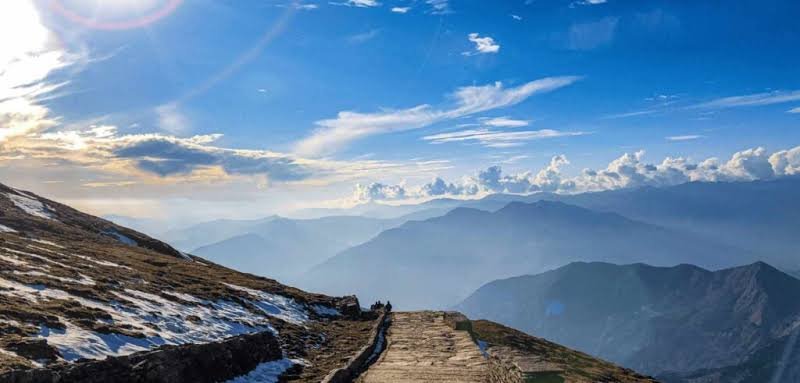
Once the monsoon ends, the air becomes dust-free and the sky turns deep blue. From late September to November, you get some of the clearest views of the year: Nanda Devi, Kamet, Dronagiri and Trishul from Auli, and Chaukhamba, Kedarnath and Bandarpunch from Chandrashila. Days are pleasant at around 8°C to 18°C, while nights become cold, especially in November.
October is ideal for the Tungnath–Chandrashila trek because the trail is dry and views are wide open. The Tungnath temple usually closes for winter after Diwali, so if darshan is important to you, plan your autumn trip before that. By late November, the first snowfall sometimes arrives at higher points, giving a preview of winter.
Best for: Photographers, trekkers, couples, and anyone who wants big Himalayan views with fewer crowds.
Month-by-Month Weather Guide
To find the best time to visit Auli and Chopta for your own dates, use the table below for an approximate idea of the conditions you can expect. Actual weather varies every year, so always check a forecast before travelling.
| Month | Approx. Temperature | Conditions | Recommended? |
|---|---|---|---|
| January | -8°C to 5°C | Peak snow, skiing season | ✅ Snow & skiing |
| February | -6°C to 7°C | Good snow, ski events | ✅ Snow & skiing |
| March | -2°C to 12°C | Last snow, clearer skies | ✅ Mixed snow & spring |
| April | 3°C to 16°C | Rhododendron bloom | ✅ Nature & trekking |
| May | 6°C to 20°C | Pleasant, temple open | ✅ Families |
| June | 8°C to 22°C | Warm days, pre-monsoon showers | ✅ Early June best |
| July | 10°C to 20°C | Heavy rain, landslides | ⚠️ Not ideal |
| August | 10°C to 20°C | Heavy rain, cloudy | ⚠️ Not ideal |
| September | 7°C to 18°C | Rain eases late month | ☑️ Late September |
| October | 4°C to 16°C | Clear skies, dry trails | ✅ Views & trekking |
| November | -1°C to 12°C | Cold, crisp, possible snow | ✅ Views & quiet |
| December | -5°C to 8°C | First major snowfall | ✅ Snow lovers |
Best Time Based on Your Travel Style
For Skiing
Plan between mid-January and late February, when the snow base on Auli’s slopes is usually most reliable. Early March can also work in a good snow year.
For Trekking (Tungnath, Chandrashila, Deoria Tal)
April to June and October to November are best. Trails are open, dry and safe, and views are excellent, especially in autumn.
For Honeymoon Couples
December to February is ideal if you dream of a snowy romantic escape. October and November suit couples who prefer cosy evenings and clear views without extreme cold.
For Families and Senior Citizens
May, June and October offer comfortable temperatures, open roads and easy sightseeing without needing heavy winter clothing.
For Budget Travellers
Weekdays in March, early April, late September and November usually bring lower hotel rates and fewer crowds than the peak winter and summer holiday weeks.
What to Pack for Each Season
- Winter: Thermal innerwear, down jacket, woollen cap, gloves, waterproof snow boots, sunglasses and sunscreen (snow glare is strong).
- Spring and Autumn: Layers of light woollens, a fleece, a windproof jacket and comfortable trekking shoes.
- Summer: Light cottons for the day, a warm jacket for evenings, a cap and a rain jacket for sudden showers.
- Monsoon: Raincoat or poncho, quick-dry clothes, waterproof bag covers and shoes with good grip.
- All seasons: Basic medicines, power bank, cash (network and ATMs are limited near Chopta) and a reusable water bottle.
Final Verdict
There is no single wrong season, but there is a right season for you. If snow and skiing are your dream, the best time to visit Auli and Chopta is January and February. If you want flowers, birds and gentle weather, choose April to June. If sharp, clear Himalayan views matter most, October and November are unbeatable. Only the monsoon months need extra caution. Whichever month you choose, plan with a local expert who knows the road and weather conditions, and the mountains will reward you.
Are You Looking for Auli Chopta Tour Packages?
Pick your season and let us plan the rest with these popular packages from Smiley Holidayz.
Auli Tour Package
02 Nights / 03 Days | From Haridwar
A quick snow escape to Auli with skiing in winter and Gorson Bugyal in summer.
View PackageAuli Chopta Tour Package
04 Nights / 05 Days | From Haridwar
Chopta, Tungnath and Chandrashila trek, then Auli’s slopes and Himalayan views.
View PackageSee all Auli Chopta Tour Packages →
Smiley Holidayz
Your Trusted Travel Partner in Uttarakhand
Not sure which month suits your Auli and Chopta trip? Our local Uttarakhand team tracks snowfall, road and weather conditions and can suggest the right dates, then arrange your taxi, hotels and itinerary according to your season, group size and budget.
Frequently Asked Questions
Which month is best for snowfall in Auli and Chopta?
January and February usually bring the heaviest snowfall. Snow often starts in late December and can remain on Auli’s upper slopes until early March.
When is the skiing season in Auli?
The skiing season in Auli generally runs from January to early March, depending on snowfall. Mid-January to February usually has the most reliable snow.
Is Tungnath temple open in winter?
No. Tungnath temple usually closes after Diwali and reopens around late April or May. The trek to Tungnath and Chandrashila can still be done in winter when weather and snow conditions allow.
Is it safe to visit Auli and Chopta in the monsoon?
July to mid-September brings heavy rain and frequent landslides on mountain roads. Travel is possible with flexible plans, but it is not recommended for most travellers.
What is the best time to visit Auli and Chopta for clear mountain views?
October and November offer the clearest skies of the year, with excellent views of Nanda Devi, Trishul, Chaukhamba and other Himalayan peaks.
Can I visit Auli and Chopta with family in summer?
Yes. May and June are ideal for families, with pleasant temperatures between about 12°C and 22°C during the day, open roads and easy treks.

A Haridwar-based travel agency helping travellers plan Chardham Yatra, Uttarakhand tours, hotel bookings and helicopter packages.