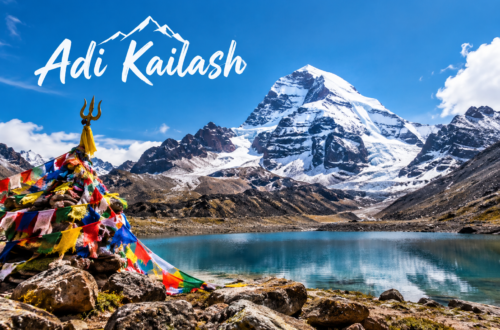

Best Time for Char Dham Yatra 2027: Weather, Crowds & Travel Planning is an important question for anyone planning a pilgrimage to Yamunotri, Gangotri, Kedarnath and Badrinath. Choosing the right period can make a major difference to your overall experience because the Char Dham journey involves high-altitude roads, mountain weather, trekking sections, changing temperatures and large numbers of pilgrims during the peak season.
The best travel period is not the same for every traveller. Some pilgrims prefer the pleasant weather and fresh Himalayan scenery of the opening months, while others prefer September and early October when the monsoon has usually reduced and the mountain landscape becomes clear and beautiful. Families, senior citizens, first-time visitors and travellers who want a quieter experience may also prefer a different period from those who simply want to travel during the main pilgrimage season.
Uttarakhand Tourism explains that the four high-altitude shrines generally remain closed for around six months during winter and open during the warmer pilgrimage season. The traditional route begins with Yamunotri, continues to Gangotri, then Kedarnath and finally Badrinath.
Why Choosing the Right Time Matters
A Char Dham Yatra is very different from a normal Uttarakhand holiday. The journey takes travellers deep into the Himalayas, where road conditions and weather can change much faster than they do in the plains. A journey that looks simple on a map may require several hours of mountain driving.
Temperature is another important factor. Haridwar and Rishikesh can feel warm during the day, while destinations such as Kedarnath, Badrinath, Yamunotri and Gangotri can be significantly colder. The difference becomes particularly noticeable during early morning temple visits and at higher elevations.
Crowds also influence the experience. During popular weekends, holidays and important pilgrimage dates, accommodation and transportation demand can increase considerably. A traveller who wants a peaceful journey should therefore consider both weather and crowd levels rather than looking at temperature alone.
Char Dham Yatra Season: A Simple Overview
The pilgrimage season broadly falls between the opening of the temples in spring and the beginning of winter conditions in the Himalayan region. Exact opening and closing dates vary from year to year and should always be checked through official announcements before making final travel arrangements.
| Period | Weather | Crowds | Who May Prefer It? |
|---|---|---|---|
| Late April – May | Cool to pleasant; colder at higher elevations | Moderate to high around opening period | First-time pilgrims and travellers wanting fresh mountain scenery |
| June | Generally pleasant in the mountains | High during peak travel period | Families and summer holiday travellers |
| July – August | Monsoon; rain can affect travel | Variable | Experienced travellers with flexible schedules |
| September | Often clearer after monsoon periods; cool at higher elevations | Moderate to high | Travellers seeking a balance between weather and crowds |
| Early October | Cool and increasingly cold at high altitude | Moderate, depending on dates | Travellers wanting pleasant mountain views and a quieter experience |
| Late October – November | Cold; winter conditions begin at higher elevations | Low where pilgrimage access reduces | Not generally ideal for a complete traditional pilgrimage |
This table is a general planning guide rather than a weather forecast. Himalayan weather can vary significantly from one location to another and from one week to another.
April and May: Beginning of the Pilgrimage Season
Late April and May are among the most exciting periods for pilgrims because the Char Dham shrines begin welcoming devotees after the winter closure. The opening period also has a special spiritual atmosphere, with large numbers of pilgrims arriving for darshan.
Temperatures in the lower valleys can be comfortable, but higher destinations remain cold. Snow may still be visible around high mountain areas, especially early in the season.
May is also a popular month because school holidays and summer travel plans increase demand. Hotels, taxis and other pilgrimage services can become busy around weekends and important religious dates.
Advantages of May
- Fresh Himalayan landscape after winter.
- Cooler weather compared with the plains.
- Good option for travellers who want to experience the beginning of the pilgrimage season.
- Suitable for travellers who plan well in advance.
Things to Consider
- Opening-period crowds can be significant.
- Higher-altitude areas can remain very cold.
- Accommodation demand may be high.
- Exact temple opening dates should be confirmed before booking.
June: Popular Summer Travel Period
June is one of the busiest periods for Uttarakhand pilgrimage and holiday travel. Families often have school holidays, and many travellers prefer June because the weather in the mountains is generally more comfortable than the hot conditions experienced across much of northern India.
The main disadvantage is crowd pressure. Popular destinations, hotels and road sections can become busy, particularly around weekends.
If you are travelling with children or elderly family members, a well-organised itinerary becomes especially important. Avoid packing too many long driving days into the schedule. A comfortable itinerary with proper overnight stops can make the pilgrimage much easier.
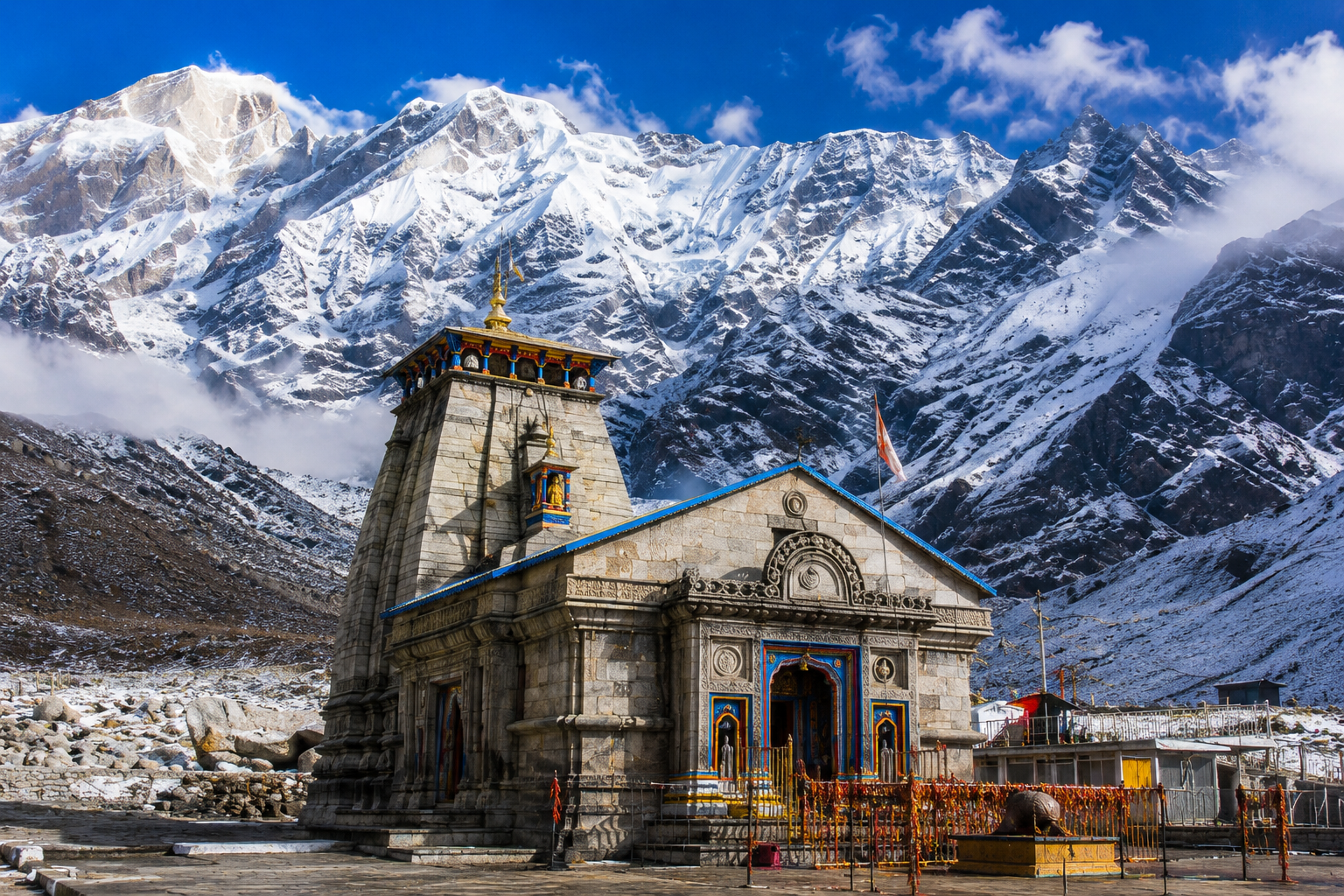
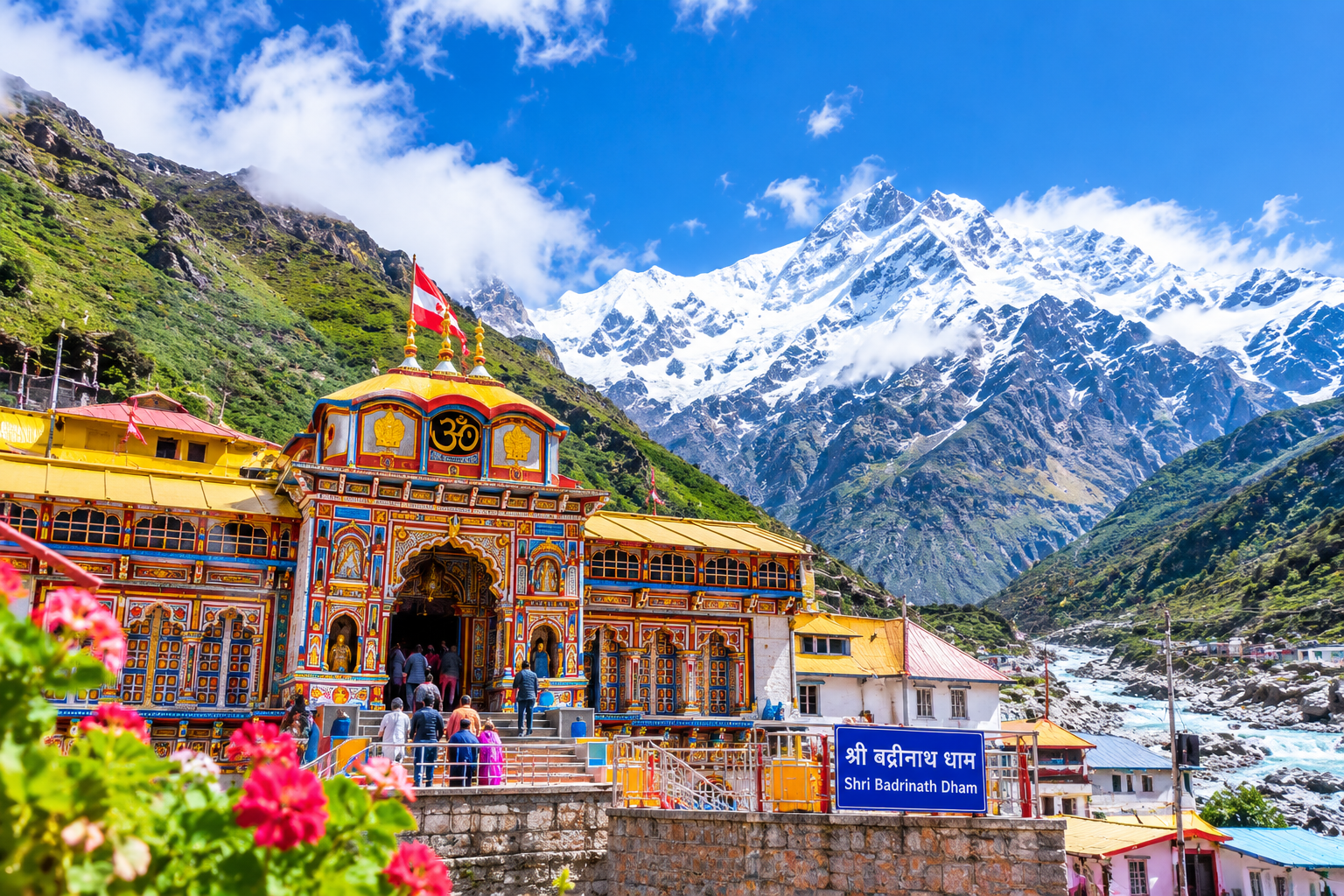
July and August: Monsoon Travel
July and August require more careful planning because Uttarakhand receives monsoon rainfall during this period. Rain can affect mountain roads, visibility and travel times. Conditions can vary considerably from one valley to another.
This does not mean that every day during the monsoon will have heavy rain. There can be beautiful clear periods between rainfall. However, pilgrims should be prepared for delays and should avoid planning an itinerary where every day depends on reaching a destination at a fixed hour.
Mountain roads can be affected by landslides, falling rocks, water accumulation and temporary traffic restrictions. For this reason, travellers should check current road and weather information before starting each major road journey.
Who Should Consider Monsoon Travel?
Experienced travellers with flexible schedules may still choose this period. However, families with very young children, elderly travellers or people who are uncomfortable with uncertain road travel may prefer to consider another part of the pilgrimage season.
If you must travel during monsoon, choose a flexible itinerary, avoid unnecessary late-evening mountain driving and keep additional buffer time.
September: One of the Most Balanced Months
September is often considered an attractive period for travellers who want to balance weather, scenery and crowd levels. The monsoon period may have passed its strongest phase, and the Himalayan landscape can look particularly fresh and green.
However, September should not automatically be treated as completely risk-free. Weather conditions can still vary, and rainfall can continue in some periods. Travellers should therefore check current conditions rather than assuming that the entire month will have identical weather.
The major advantage is flexibility. Compared with the busiest summer weeks, some dates in September can offer a more relaxed travel experience, although weekends and popular pilgrimage dates may still be busy.
Why Travellers Like September
- Beautiful green Himalayan landscapes.
- Comfortable temperatures in many mountain destinations.
- Potentially less crowd pressure than peak summer dates.
- Good period for travellers with flexible dates.
Early October: Clear Views and Cooler Weather
Early October can be another excellent option for pilgrims who prefer cooler weather and scenic mountain views. As the monsoon recedes, visibility can improve on many days, making the journey visually rewarding.
The temperature begins to fall at higher elevations, particularly during mornings and evenings. Warm clothing becomes increasingly important, especially for Kedarnath and Badrinath.
October can also become busy around holidays and special dates, so travellers should not assume that the entire month will be quiet. If your primary goal is a peaceful pilgrimage, choose weekday travel dates where possible.
Which Month Has the Least Crowd?
There is no single month that guarantees low crowds because pilgrimage numbers depend on temple opening dates, holidays, weekends, weather and special religious occasions.
Generally, the opening period, summer holidays and major festival periods can see stronger demand. Some weekday dates in September or early October may offer a better balance, but this can change every year.
For travellers who want fewer crowds, the most useful strategy is not simply choosing a particular month. Instead, avoid major holiday weekends, book early, start temple visits early in the day and consider a private itinerary rather than travelling only according to a fixed group schedule.
Weather Conditions You Should Prepare For
Weather is one of the most important parts of Char Dham planning. A traveller can experience warm sunshine in Haridwar, cool temperatures in Uttarkashi and much colder conditions around Kedarnath or Badrinath within the same journey.
Rain protection should be carried throughout the pilgrimage season. Even outside the main monsoon period, sudden showers can occur in the mountains.
Warm layers are equally important. A lightweight thermal layer, fleece or sweater, waterproof jacket, comfortable walking shoes and extra socks can be very useful.
Basic Weather Packing List
- Light thermal wear.
- Warm jacket or fleece.
- Waterproof rain jacket.
- Comfortable walking shoes.
- Extra socks.
- Sun protection and sunglasses.
- Personal medicines.
- Reusable water bottle.
- Power bank.
- Small backpack for temple visits and trekking sections.
Best Time for Senior Citizens
Senior citizens should ideally choose a period with relatively comfortable temperatures and allow more time for acclimatisation and rest. The goal should not be to complete the pilgrimage as quickly as possible.
Private transportation can be helpful because it allows the family to adjust the schedule according to the traveller’s comfort. Hotel locations should also be selected carefully so that unnecessary daily driving is avoided.
Kedarnath and Yamunotri require particular attention because of their walking sections. Anyone with existing health concerns should discuss the physical demands of the journey with their doctor before travelling.
Best Time for Families with Children
Families often prefer the main summer pilgrimage season because children have school holidays. May and June can therefore be practical, but these months can also be busy.
Families should avoid creating an itinerary with extremely early departures followed by very long drives every day. Children need regular meals, rest and comfortable accommodation.
A private taxi package can provide greater flexibility compared with a fixed group departure. Families can stop for meals and breaks according to their own requirements.
How Far in Advance Should You Plan?
For a 2027 pilgrimage, early planning is particularly useful if you want specific hotels, a particular vehicle category or a private itinerary.
Start by deciding your approximate travel month and number of travellers. Then determine whether you want a standard, deluxe or luxury accommodation plan. After that, select the vehicle and route according to your group size.
Once the basic itinerary is decided, check the applicable registration requirements and official travel instructions before finalising the journey.
The official Tourist Care Uttarakhand portal provides online Char Dham registration and allows pilgrims to create a tour by selecting dates, destinations and pilgrim details. It also provides facilities related to registration letters and verification. :contentReference[oaicite:2]{index=2}
Travel Planning for Weather Delays
One of the biggest mistakes travellers make in the Himalayas is creating an itinerary with no buffer. Mountain travel is naturally slower than highway travel, and weather or traffic can change the expected arrival time.
For example, if your return flight from Dehradun is scheduled shortly after your expected arrival in Haridwar, even a small road delay can create unnecessary stress.
A better strategy is to keep the final day relatively flexible. If possible, reach the plains one day before an important flight or train.
Smiley Holidayz
Your Trusted Travel Partner in Uttarakhand
Planning your Char Dham Yatra, Kedarnath Yatra, Badrinath Yatra, hotel stay or taxi service? Our local travel team can help you plan your journey according to your travel dates, route requirements and budget.
Registration and Travel Documents
Before travelling, keep your identification documents and pilgrimage registration information safely accessible. The exact registration process and requirements should be checked through the official Uttarakhand portal because government procedures can be updated.
The official portal currently provides registration for Char Dham and Hemkund Sahib, along with facilities for vehicle registration, verification of the Yatra Registration Letter and downloading pilgrimage certificates. :contentReference[oaicite:3]{index=3}
Do not rely only on screenshots stored on your phone. Keeping a digital copy and, where practical, a printed copy of important documents can be useful during a long mountain journey.
How to Choose the Right Travel Dates
Choosing dates becomes easier if you first identify your priority.
If Weather Is Your Priority
Consider late spring, early summer or the post-monsoon period, subject to the official pilgrimage calendar and current weather conditions.
If Lower Crowds Are Your Priority
Consider flexible weekday dates outside major holiday periods. September and early October can be worth considering, but crowd levels can vary.
If School Holidays Are Your Priority
May and June are practical for many families, but advance hotel and transportation planning becomes more important.
If You Want Clear Mountain Views
Post-monsoon dates can offer beautiful scenery and improved visibility on suitable days. However, mountain weather can never be guaranteed.
What to Check Before Leaving for the Yatra
- Official temple opening and closing information.
- Current road and weather conditions.
- Yatra registration status.
- Hotel confirmation.
- Vehicle and driver details.
- Temple visit arrangements.
- Helicopter booking details, if applicable.
- Personal medicines and medical requirements.
- Identity documents.
- Emergency contact information.
Final Travel Recommendation
Best Time for Char Dham Yatra 2027: Weather, Crowds & Travel Planning depends on what type of experience you want. There is no single date that is perfect for every traveller.
For a first-time pilgrim, the most practical approach is to choose a period with relatively comfortable mountain weather, avoid unnecessary rush, and keep sufficient buffer for road delays. Late spring and early summer can be attractive for travellers who want to experience the beginning of the pilgrimage season, while September and early October can be appealing for those looking for a balance between scenery, weather and crowd levels.
Monsoon travel requires extra flexibility because road and weather conditions can change quickly. Travellers who choose July or August should monitor official updates closely and avoid creating a rigid schedule.
Most importantly, remember that Char Dham is a high-altitude pilgrimage rather than a conventional holiday. Comfortable clothing, realistic travel times, proper rest, advance planning and respect for local instructions can make the journey safer and more enjoyable.
With the right dates and a well-planned itinerary, the 2027 pilgrimage can become much more than a trip between four temples. It can be a memorable journey through the valleys, rivers, forests and high mountains of Uttarakhand while experiencing the spiritual significance of Yamunotri, Gangotri, Kedarnath and Badrinath.
Frequently Asked Questions
What is the best time for Char Dham Yatra?
The most practical periods are generally the opening and summer season and the post-monsoon period, especially depending on weather, crowd levels and official temple schedules.
Is May a good month for Char Dham Yatra?
May can be a good month, especially for travellers who want to experience the beginning of the pilgrimage season. However, opening-period dates can attract significant crowds.
Is June crowded for Char Dham Yatra?
June can be busy because of summer holidays and peak pilgrimage demand. Advance accommodation and transportation planning is recommended.
Can I do Char Dham Yatra in July?
Yes, pilgrimage travel may be possible during July, but monsoon conditions can affect mountain roads and travel times. Flexible planning and current weather checks are important.
Is September good for Char Dham Yatra?
September can be an attractive period because travellers may experience fresh Himalayan scenery and potentially more manageable crowds than the busiest summer dates. Conditions vary each year.
Is October good for Char Dham Yatra?
Early October can offer cooler weather and scenic mountain conditions, but temperatures fall at higher elevations and travellers should check the official pilgrimage calendar before booking.
Which month has the least crowd in Char Dham?
Crowds vary according to opening dates, holidays, weekends and religious occasions. Some weekday dates in September or early October may offer a quieter experience.
Is registration required for Char Dham Yatra?
Pilgrims should follow the applicable Uttarakhand registration requirements. The official Tourist Care Uttarakhand portal provides online registration and verification facilities.
Should I book Char Dham hotels in advance?
Yes. Advance booking is recommended, particularly for May and June, weekends and important pilgrimage dates.